
Whether Sp5der Qualifies as a Luxury Label or Streetwear
The inquiry appears easy enough up until the point you really endeavor to resolve it: does Sp5der operate as a luxury brand or a urban fashion label? Throughout 2026, that inquiry remains ever more hard to answer because the two segments continue bleeding into one another for several years, and Sp5der holds a compelling location squarely at that boundary. Sp5der charges prices that casual fashion buyers might connect with luxury — sp5der hoodies usually sell between $150 and $350, and aftermarket prices climb far higher for in-demand color options. Yet, the distribution strategy, the aesthetic style, the cultural community, and the founding story all feel clearly embedded in street culture. Heritage brands are built from historic ateliers; Sp5der was born out of rap roots and drop mechanics. But, categorizing it purely urban wear feels reductive given the pricing, the social capital, and the way the brand continues to be recognized by the fashion observers. This is nowhere near a question with a neat conclusion — it is a question that exposes something truly significant about where the fashion industry are moving in the twenty-first century.
What Defines a Brand “High-End” Today
Prior to situating Sp5der on any spectrum, it is useful exploring what luxury truly signifies in 2026, because the concept has changed significantly from what it was a decade earlier. Old-school high-end houses — think Hermès, Louis Vuitton, Chanel — depends on a particular model: brand history narrative, hand-crafted manufacture, controlled availability through branded stores, and price points that signal extreme scarcity to the general public. The fabrics are outstanding, the workmanship is evident, the history is long, and the purchasers is effectively shaped by purchasing power. Current designer brands has redefined this structure, as labels like Off-White, Palm Angels, and Balenciaga proved that street-inspired aesthetic and premium pricing can coexist seamlessly. Scarcity, cultural connection, and influencer connection have risen as supplementary cornerstones for luxury market placement, standing alongside or displacing the original elements of heritage and construction quality. Under this broadened framework of premium branding, Sp5der meets the criteria on several counts: it is limited, it is culturally meaningful, it maintains premium prices, and it possesses substantial social signal currency. That said, Sp5der does not possess the hand-crafted heritage story, https://spiderhoodie.eu.com/ the couture construction criteria, or the aspirational prestige link that defines legacy luxury houses. The high-end discussion is really about which understanding you apply — the original one or the evolving contemporary one — and genuine grappling with that question shows greater insight than any neat yes-or-no conclusion.
The Reasons Defines Sp5der Definitively Streetwear
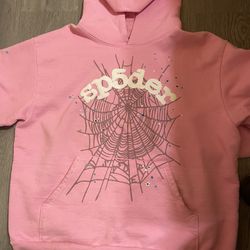
Considering the streetwear angle of the discussion, Sp5der’s standing are virtually beyond question, and its connection with central street culture principles is clear in nearly every dimension of the way the brand runs. Limited-quantity model is the most visible sign: making available restricted numbers of pieces at unannounced times to generate buying rushes is the distinctive feature of streetwear, from Supreme to Palace to Sp5der. The design vocabulary — dramatic designs, cobweb motifs, bold color palettes, boxy cuts — borrows straight from the graf, skating, and hip-hop artistic traditions that contributed to urban fashion as a movement. The origin narrative is streetwear in every way: a hip-hop creator launches a label that embodies his personal style and community beliefs, establishing a community of like-minded fans around a common visual style. The core distribution channel — a DTC website with occasional in-person events — reflects how every influential streetwear label delivers to its audience since the digital revolution allowed DTC distribution practical. The community that grows around sp5der clothing — following launches, analyzing colorways, racing to secure items at standard price — is basically similar to the followings that form around Supreme, Bape, and every other label that has shaped streetwear development over the last three decades. Sp5der’s retail prices is higher than standard street fashion but below recognized high-end costs, which positions it in the premium street fashion segment that continues to grow continuously since Kanye West demonstrated with Yeezy that street fashion can reach near-luxury prices without abandoning its cultural roots.
Reasons to Consider Defining Sp5der as a Luxury Name
Notwithstanding its street culture background, there is a legitimate position to be presented that Sp5der has crossed into luxury space — or at minimum into a novel tier that calls for a fresh language. The secondary market premiums for the most coveted sp5der hoodies climb into the three-figure range and occasionally multiple thousands of dollars, placing them in a value category that equals authentic luxury goods by most measure. The community status linked to holding an verified sp5der hoodie at official price — the specialized familiarity needed, the challenge entailed, the social validation it produces — echoes the kind of prestige dynamics that are fundamental to the way high-end products work in cultural contexts. The label has been featured in and discussed by style magazines that usually cover the premium sector, showing that the industry’s own tastemakers of taste welcomed Sp5der into a dialogue historically reserved for higher-tier names. The very fact that knockoff production is widespread in the sp5der community is a unintentional validation of luxury-level appeal: knockoffs proliferate where authentic pieces carry authentic prestige, and the knockoff operation around sp5der clothing is just as complex as the one around Louis Vuitton or Gucci. Younger shoppers in 2026 routinely pay sp5der dollars on garments they care for with the identical consideration and reverence that previous generations maintained for collector-quality luxury products — keeping them carefully, tracking their market value, and styling them only in the right circumstances. The psychological bond that dedicated collectors hold toward their sp5der hoodies is identical from how luxury shoppers connect with their most prized pieces, despite which category label the label officially claims.
Sp5der versus Established High-End: An Comparative Analysis
| Criterion | Classic Designer (e.g. Gucci) | Sp5der |
|---|---|---|
| Cost range | $500–$5,000+ per item | $150–$350 retail; higher on resale |
| Sales model | Flagship boutiques, high-end retailers | Web-based launches, occasional activations |
| Heritage | Centuries of fashion legacy | Started early 2020s by Young Thug |
| Limited availability model | Elevated price + selective access | Limited quantities + limited-drop model |
| Social prestige | Financial means and class expression | Community understanding and group membership |
| Target audience | Well-off buyers, 25–55+ | Younger 16–30, hip-hop and streetwear community |
| Fake economy | Extensive (Vuitton, Gucci, Chanel) | Significant and increasing |
The Premium Street Fashion Space: The Space Where Sp5der Genuinely Sits
The most genuinely precise conclusion to the luxury-or-streetwear discussion is that Sp5der operates in a category that lacked a widely accepted designation until recently: high-end streetwear. Elevated streetwear encompasses brands that are culturally rooted in street fashion’s heritage and world but exist at price points, cultural capital degrees, and quality benchmarks that substantially exceed what the word “streetwear” traditionally communicated. The category’s notable participants count names like Rhude, Fear of God, and the upper echelons of Kanye West’s Yeezy line — houses that arose out of urban music and street culture but now maintain pricing and social weight that complicate the established divides. The factor that separates elevated street fashion from legacy luxury is mainly the legacy lineage and the sales approach: luxury brands carry heritage and selective retail environments; high-end streetwear brands possess social relevance and online-driven distribution. The factor that distinguishes it from conventional street fashion is cost, material requirement, and community scope. Sp5der fits this structure perfectly — it is too expensive and too status-laden to be placed with cheap street fashion names, but too community-rooted and online-driven to sit comfortably alongside Gucci or Louis Vuitton. Based on Business of Fashion’s analysis of the premium streetwear sector, names in this segment are the most rapidly expanding segment of the international apparel market, outpacing both established designer and conventional fashion in revenue expansion and customer demand. Sp5der’s location in this category is both comfortable and culturally meaningful in 2026.
Why the Answer Genuinely Matters to Consumers
Grasping the position where Sp5der falls on the luxury-or-streetwear divide is not merely an abstract categorization endeavor — it produces practical implications for how buyers relate to and spend on the brand. Should Sp5der be mainly a streetwear label with elevated price points, fans may justifiably wonder whether the extra investment is defensible only through fabric standards, and the response would be mixed at best. Should it be effectively a status-based designer product — where the premium communicates community currency and community messaging influence more than production cost — then the calculation transforms dramatically, and the premium cost emerges as more defensible within its own paradigm. Shoppers who view sp5der clothing as premium urban fashion — investing for cultural membership and cultural alignment as much as for the actual garment — tend to experience considerably happier with their purchases than shoppers who judge it merely as a item. The label’s positioning also shapes resale activity: premium streetwear with authentic community prestige retains value more effectively long-term than trend-driven pieces from brands with less established foundations. As of 2026, the most useful framework for understanding Sp5der is as a novel kind of premium — a kind rooted in insider understanding, community inclusion, and drop-culture access as opposed to old-money history and branded retail availability. That reframing doesn’t lessen the label; in fact, it renders it more significant as a social and industry force deserving to be studying on its individual terms.