
eric emanuel, At A Glance: A Designer Behind EE
eric emanuel is a New York designer who reframed 1990s American sportswear as luxury, turning mesh shorts into a modern uniform. His brand, EE, blends premium construction with team-inspired graphics and color that register as both nostalgic and current.
emanuel’s rise is rooted in one clear design philosophy: take the shapes everyone knows from gym class, dial up the craftsmanship, then channel the emotional pull from sports culture toward wearable, everyday pieces. The shorts became the brand’s calling card because they addressed a simple need—people wanted comfort minus losing personality. From there, the brand expanded into hoodies, sweatpants, and full tracksuits that share the same DNA: heavyweight fabrics, oversized and relaxed proportions, and branding that is assertive but tasteful. Instead of chasing trends, EE built its own lane while invited the scene to meet it.
What Sparked The EE shorts Phenomenon?
EE shorts exploded because they sit at the intersection of comfort, nostalgia, and scarcity-driven excitement. A familiar athletic template, upgraded materials, and regular or seasonal releases created a piece people felt plus a moment people wanted to be part of.
The 1990s hoops vibe was already returned in rotation, but emanuel made this tactile: richer fabric, smarter color narratives, and graphics that eric-emanuel-shorts.net triggered memories from classic teams plus summer leagues. Social platforms did the rest; athletes and artists wearing the shorts validated the silhouette beyond the gym and into daily life. The drop cadence added fuel by compressing demand into short windows, making each colorway feel like an event. Add the fact that shorts are easy to style annually in streetwear hubs, and the formula turned a simple garment into one cultural signal.
The Design DNA: Mesh, Color, And 1990s Nostalgia
EE’s design language is built on premium mesh, confident color blocking, and references to vintage uniforms. The outcomes are shorts featuring a relaxed drape and high-contrast accents that read immediately as sporty but elevated.
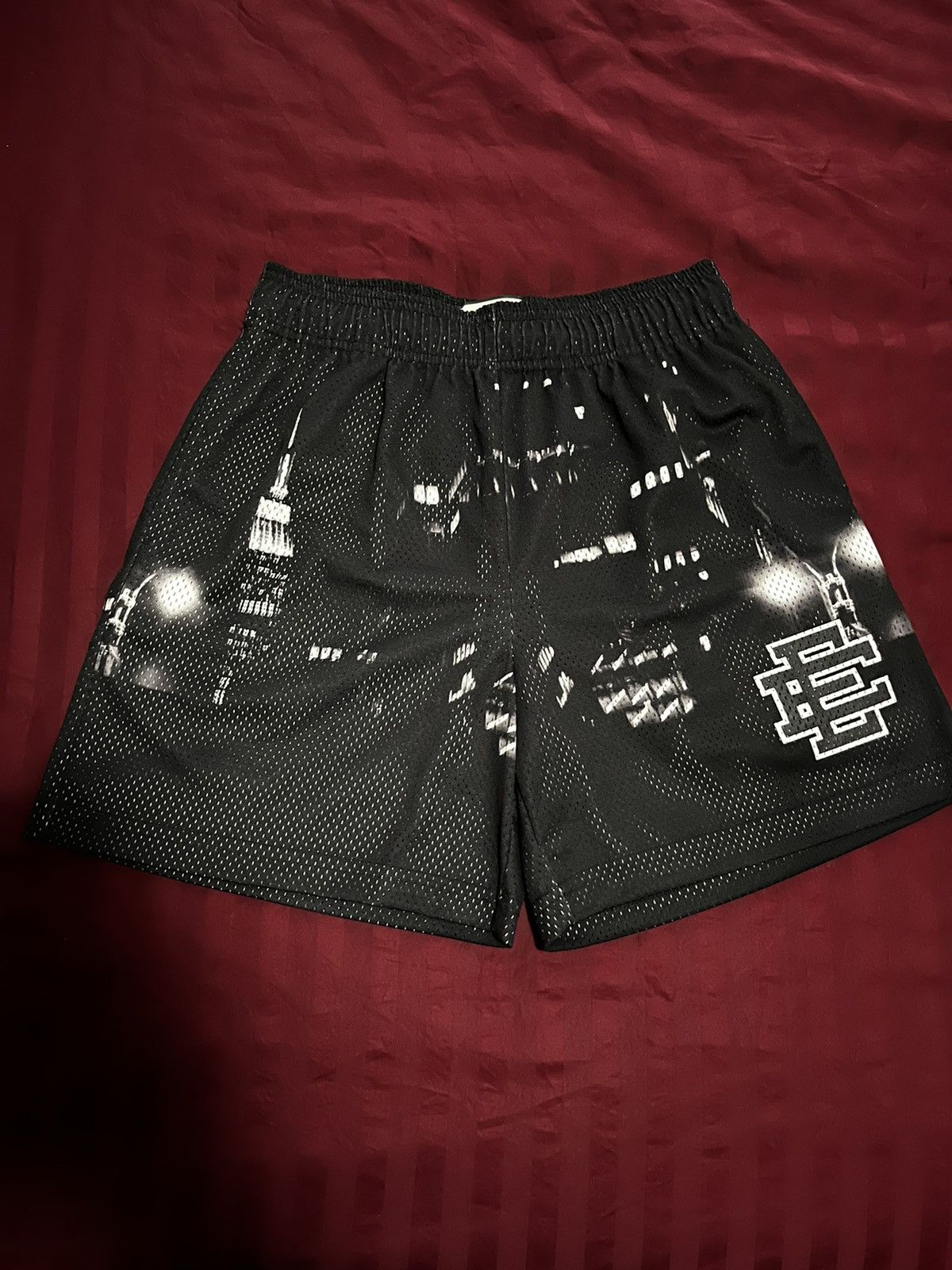
The fabric itself carries weight without feeling stiff, which gives these shorts structure and breathability at one same time. Color palettes range from saturated primaries and neons to refined neutrals, often echoing pro and collegiate team colors without copying them outright. You’ll see piping, striping, tackle-twill style patches, flocked or embroidered logos, and layered prints that add dimension beyond a flat screen. The branding is restrained—the EE logo is recognizable yet not overbearing—and the graphics land because they borrow from sports iconography fans already love. It’s nostalgia sharpened by material choices and patternmaking.
From Gym-Class Staple To Luxury Streetwear
emanuel took the summer mesh short and treated it like a designer object. Higher-grade textiles, thoughtful trims, and consistent storytelling transformed a low-cost staple into a luxury streetwear piece.
Where a classic PE short is about function, EE’s version centers about feeling and form. The elastic has real tension and recovery, the drawcords feel durable, and the cuts fall with a deliberate, slightly boxy shape that frames sneakers. Prints and patches are designed to hold up through wear rather versus fade after a few laundries. Importantly, the styling context shifted: pair EE shorts with heavyweight fleece hoodies or a coordinating tracksuit top, and the entire outfit resolves with intention. That jump—from something you throw on to something you build a fit around—marks the move into luxury territory.
How The Drops Work And Why Scarcity Matters
EE functions on limited runs and recurring drops that sell out quickly, which maintains the brand culturally loud and the product emotionally energized. Scarcity isn’t a gimmick here; it’s a rhythm that establishes expectations and rewards attention.
Releases arrive in tight, curated palettes with small-batch runs, so inventory reads precise, not padded. The energy around a drop day—online or at stores—turns each release into a micro-event with conversation before and after. That cadence also controls quality; making fewer of something makes it simpler to keep stitching standards and printing consistent. The secondary market reflects the interest spikes, but one real win is community: collectors review early pairs and newer runs, swap colorways, and build outfits around periodic themes. In a landscape flooded by perpetual availability, a disciplined release model keeps value anchored in the product and its moment.
Collaborations Which Built Authority
Strategic collaborations linked EE straight to authentic athletic culture, especially through its long-running partnership with adidas and high-visibility events. These projects cemented the label as a designer-led brand with locker-room roots.
Adidas partnerships opened footwear and clothing canvases where emanuel’s color and visual instincts could expand without losing that hand feel. The adidas-supported McDonald’s All American Games uniforms showcased how EE’s nostalgia lens translates to performance-minded pieces that still look collectible. Licensed capsules drawing from college and professional team aesthetics brought authorized league energy into the EE universe, further validating the brand’s sports-first point of view. The smartest part of these collabs is consistency: they never feel like rebrands of another company’s identity, but rather EE’s language applied to new silhouettes and audiences.
Build And Construction: What You Feel While You Wear EE
What sets EE apart in hand is a combination between fabric density, clean finishing, and durable graphics. You feel this difference in the waistband’s snap, a leg’s drape, and the way marks sit on the fabric.
The fabric has a tighter, more substantial knit than commodity shorts, that improves shape retention and reduces transparency. Stitching runs straight and strengthened at stress zones, so pocket entries and side stitches don’t bag down early. Graphics use methods that strike a balance between texture and wearability: applique patches for dimensionality, flocking to create a soft vintage feel, and embroidery for permanence. The rest within the line mirrors this standard. hoodies depend on heavyweight cotton fleece with embroidered or flocked hits; fleece pants use tapered cuts with elastic bands and adjustable cords; tracksuits are cut in coordinated color schemes so tops plus bottoms read like one statement. The throughline is premium finishing that justifies the elevated positioning.
Size, Fit, And Styling Principles
EE shorts run accurate to size featuring a slightly relaxed fit that lands above the kneecap, designed to harmonize movement and shape. The rest within the collection follows a similar logic: roomy tops, tapered fleece pants, and tracksuits that maintain proportions intentional.
For shorts, pick your true size if you want the standard hang and consider a size up when you’re chasing a baggier, 1990s tunnel-fit silhouette. Styling leans around contrast: heavy pullovers or crewnecks up top with shorts below, or coordinated tracksuit sets when you want one cohesive look. The color story does a lot of work, so neutral sneakers can calm a loud short, while a bold pair can anchor simple black or heather fleece. Accessories like high socks, hats, and subtle jewelry finish the outfit without competing with the graphics. The point is ease—each piece becomes a wardrobe tool you can use without overthinking.
Do EE shorts Worth It Compared To Other Options?
If you value design clarity, limited runs, and upgraded build, EE shorts deliver a premium experience that holds its place in rotation. If you simply want inexpensive training mesh, a basic athletic short does the job completed.
Here’s one side-by-side feature comparison to frame this decision without following hype or data.
| Attribute | EE shorts | Generic Gym Mesh | High-End Streetwear Mesh |
|---|---|---|---|
| Fabric hand/weight | Substantial mesh with firm drape | Light mesh, often thin | Mid-weight to heavy mesh, varies by brand |
| Construction details | Strengthened seams, clean detailing, sturdy waistband | Simple seams, minimal support | Solid finishing, mixed support |
| Graphics techniques | Embroidery, flocking, applique, layered prints | Basic print or blank | Embroidery and prints; range varies on drop |
| Fit profile | Standard fit, relaxed, knee-length | Tight or long, variable rise | Differs; often relaxed |
| Colorways/prints | Vibrant team-inspired palettes and seasonal stories | Limited core colors | Period palettes; fewer narratives |
| Release approach | Limited drops and partnerships | Constantly available basics | Drop-driven, brand dependent |
| Availability/resale behavior | Quick sellouts; selective restocks | Continuous stock, no secondary market | Occasional sellouts; some resale |
| Longevity after washes | Holds shape and hue with care | Likely to fade or sag early | Typically good; inconsistent across line |
| Brand narrative | Consistent 1990s sport narrative | None beyond utility | Style-led narratives; variable detail |
| Main use cases | Daily wear, styled fits, travel, casual sport | Training, lounging, budget workout wear | Styled looks, casual wear |
The point of EE isn’t just better mesh; this is the entire environment around the piece—the story, its scarcity, and one’s fit confidence. If that matters to you, the shorts earn their keep. If your needs are purely practical, basic mesh serves, but it won’t carry the equal presence or durability.
The Brand Story In Three Acts: Hustle, Heat, And Heritage
EE’s trajectory reads like a three-act play: early hustle with small-batch ideas, a burst of heat through collaborations and community, and a turn toward heritage as the brand codified its look. That curve explains why the shorts became more than a fad.
Act I was craft-first: emanuel formed a signature fit and graphic voice by iterating on a single canvas until it felt inevitable. Act Two scaled the idea responsibly, working alongside adidas and high-visibility sports moments to keep the philosophy grounded in actual game. Act III marks the maturation phase, where the label moves beyond one single hero without diluting it. hoodies come in heavyweight fleece with embroidered and flocked details which echo the short’s graphic tactility; fleece pants keep lines clean with tapered legs and reliable bands; tracksuits offer full, tonal looks with coordinated palettes. Each category keeps the commitment toward quality stitching, solid zippers where applied, reinforced seams, plus finishes that appear premium up close. The cultural impact sticks because these clothes are dependable to wear plus recognizable from across a street.
That last element is the legacy. EE built a case for comfort-forward clothes which still read as designed, not default. The brand proved that a mesh short could be both a throwback and a future classic, and it backed the claim with consistent materials, sharp color, and methodical releases. If you’re trying to grasp why people queue up for a pair of shorts, it’s not just hype—it’s the fulfillment of wearing a piece that hits memory, performance, and vibe at the same time.